
Stablecoins have change into an important part of the crypto ecosystem, providing the advantages of digital belongings with out the volatility sometimes related to cryptocurrencies like Bitcoin or Ethereum. Pegged to steady belongings such because the U.S. greenback, stablecoins present a dependable retailer of worth, enabling clean transactions and serving as a vital bridge between conventional finance and blockchain networks.
Nonetheless, the rise of stablecoins has sparked a debate about whether or not central banks ought to have management over these belongings. Many argue that authorities oversight may present higher stability, mitigate dangers, and guarantee shopper safety. Then again, critics imagine that Central financial institution management of stablecoins would undermine the decentralized nature of crypto and create additional regulatory hurdles.
Questions in regards to the potential dangers related to personal issuers controlling stablecoins additionally come up, as they might lack the identical accountability as central banks. Because the adoption of stablecoins continues to develop, this debate is turning into more and more related to the way forward for digital finance and the broader cryptocurrency house.
The Function of Central Banks within the Digital Age
Central banks have historically managed financial coverage and ensured monetary stability. As digital belongings rise, many central banks are exploring how digital currencies can match into the trendy monetary ecosystem. The expansion of cryptocurrencies and stablecoins is driving central banks to reassess their roles and develop their very own digital currencies.
CBDCs vs. Non-public Stablecoins
Central Financial institution Digital Currencies (CBDCs) are digital variations of nationwide currencies, totally managed by governments. CBDCs promise higher stability and might improve cost effectivity, decrease prices, and enhance monetary inclusion.
Then again, personal stablecoins like Tether (USDT), USD Coin (USDC) mirror nationwide currencies however are issued by personal corporations.
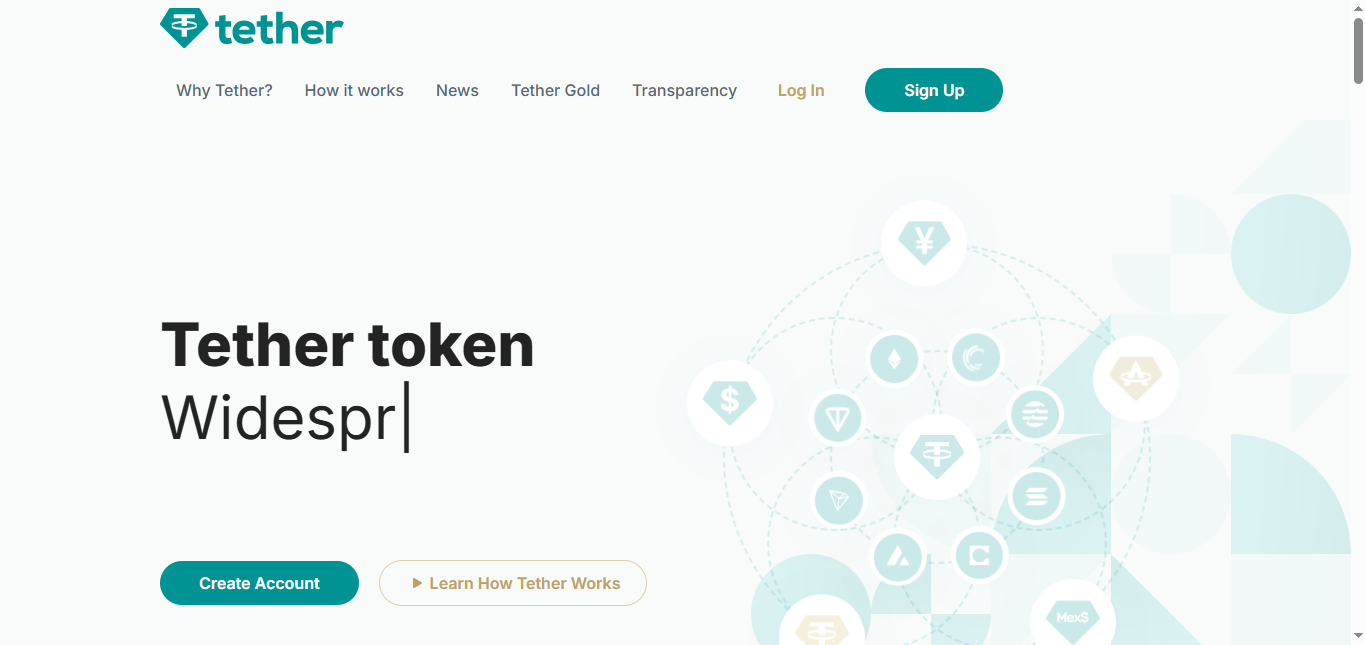
Whereas they provide flexibility and innovation, they lack a authorities security internet and pose dangers, reminiscent of market manipulation. Central banks are monitoring these stablecoins as they develop their very own digital currencies.
Why Central Banks Are
Central banks are drawn to digital belongings for his or her potential to enhance cost programs, making cross-border transactions quicker, cheaper, and safer. CBDCs also can improve management over the digital economic system, assist monitor transactions, and fight cash laundering and tax evasion.
Moreover, central banks are involved that non-public stablecoins could undermine their management over financial coverage. To retain affect, they’re exploring aggressive digital currencies whereas sustaining monetary stability.
Affect on Financial Coverage and Monetary Stability
CBDCs may remodel financial coverage by enabling direct interventions like damaging rates of interest or focused fiscal stimulus, providing new instruments for controlling inflation and stabilizing the economic system. They might additionally promote monetary stability by offering a steady, government-backed digital forex, not like the volatility of personal cryptocurrencies.
Nonetheless, CBDCs current a number of challenges, together with cybersecurity dangers and privateness issues. Central banks should strike a steadiness between innovation and the dangers of dropping management over monetary programs. The evolution of digital currencies may considerably reshape international finance and the roles of central banks within the digital age.
Arguments for Central Financial institution Management of Stablecoins
Central financial institution management of stablecoins may scale back monetary instability dangers. With out regulation, poorly managed stablecoins may trigger main disruptions. Central financial institution oversight ensures that these digital currencies stay correctly backed, stopping the form of monetary crises that might come up from poorly managed personal stablecoins.
With central financial institution regulation, stablecoin issuers can be required to take care of strict reserve ranges and transparency. This could defend shoppers from fraud or lack of funds, making certain that stablecoins are totally backed by belongings. Common audits and clear reporting requirements would give shoppers confidence within the stability of their digital currencies.
Stopping Market Manipulation:
Central banks can stop stablecoin issuers from manipulating the marketplace for their profit. With out oversight, issuers may manipulate the availability of stablecoins to affect costs. By implementing strict guidelines, central banks can be certain that stablecoin issuers are held accountable for his or her actions, thereby sustaining market equity.
Regulation and Accountability:
Central banks can set up clear authorized frameworks to forestall illicit actions, reminiscent of cash laundering. Stablecoins, with out correct regulation, could possibly be used for unlawful functions. By implementing legal guidelines reminiscent of anti-money laundering (AML) and know-your-customer (KYC) necessities, central banks can be certain that the stablecoin ecosystem is safer and extra clear.
Central banks play an important position in managing the economic system, and stablecoins may assist on this effort. By controlling stablecoins, central banks may combine them into broader financial insurance policies. This could allow them to control the cash provide and rates of interest extra successfully, thereby serving to to take care of worth stability and stop inflation or deflation.
Arguments Towards Central Financial institution Management of Stablecoins
One of many core ideas of cryptocurrency is decentralization. Central financial institution management of stablecoins would undermine this foundational facet of crypto by centralizing energy within the palms of 1 establishment.
Crypto fans argue that decentralization is what makes the system extra inclusive, safe, and proof against authorities intervention or censorship, and central financial institution oversight may erode this belief.
Innovation and Competitors:
Central financial institution management may stifle innovation within the crypto market. Non-public corporations have been the driving pressure behind the speedy progress and diversification of stablecoin choices, making a aggressive atmosphere the place new concepts and options can flourish.
If central banks take management, it may restrict the flexibility of startups and established companies to experiment with revolutionary applied sciences or provide merchandise that finest meet shopper wants.
Authorities-run stablecoins may introduce inefficiencies and better operational prices in comparison with private-sector stablecoins. The federal government’s regulatory and administrative processes are sometimes slower and extra bureaucratic, which may result in delays in product improvement and diminished flexibility in responding to market adjustments.
Authorities intervention may result in larger prices for shoppers and scale back the general effectivity of the system.
A major problem of central bank-controlled stablecoins is making use of a single nation’s financial coverage to a world community. Stablecoins are used throughout borders, and imposing the insurance policies of 1 nation may create conflicts in worldwide markets.
The worldwide nature of digital currencies requires a extra versatile, decentralized strategy that respects the autonomy of customers and corporations in several areas. Centralized management may stifle the worldwide collaboration and innovation mandatory for a very worldwide cryptocurrency ecosystem.
The Potential Dangers of Permitting Non-public Issuers to Management Stablecoins
The dangers related to personal issuers controlling stablecoins are important and warrant cautious consideration.
[Insert Image]
With out clear rules, the stablecoin market may function unchecked, resulting in fraud, market manipulation, and an absence of accountability. A fragmented regulatory strategy makes it troublesome to ascertain uniform requirements, leaving shoppers susceptible to unpredictable market shifts or scams.
Non-public issuers controlling stablecoins could change into bancrupt in the event that they fail to take care of enough reserves backing their digital belongings. If a stablecoin issuer mismanages its belongings or lacks sufficient collateral, the stablecoin may lose worth, probably leading to important losses for its holders. This might harm belief within the cryptocurrency ecosystem.
Belief and Transparency Points:
Belief is crucial for stablecoins to succeed. Customers want assurance that stablecoins are backed by verifiable reserves. With out transparency and common audits, personal issuers controlling stablecoins could manipulate or misrepresent the worth of their reserves, risking instability and lack of funds.
Affect on Fiat Currencies:
Non-public issuers controlling stablecoins may additionally scale back the demand for nationwide currencies, weakening them and limiting central banks’ capacity to handle financial coverage. This might destabilize conventional monetary programs and problem governments in implementing monetary rules.
The Way forward for Stablecoin Regulation
As stablecoins change into extra essential in international finance, it’s essential to search out the fitting approach to regulate them. Listed below are some potential approaches central banks may take:
1. Supervising Non-public Stablecoin Issuers
As a substitute of making stablecoins themselves, central banks may deal with regulating the personal corporations that challenge them. This could contain making certain that personal issuers controlling stablecoins comply with guidelines relating to the holding of enough reserves, transparency, and consumer safety. Companies such because the Securities and Alternate Fee (SEC) or the Commodity Futures Buying and selling Fee (CFTC) may step in to make sure these issuers are financially accountable and don’t put the market in danger.
2. Working with the Non-public Sector
One other strategy is for central banks to workforce up with personal stablecoin issuers. Collectively, they may create guidelines that preserve the market protected and reliable, whereas nonetheless encouraging innovation. This partnership would allow personal corporations to develop stablecoins, however underneath clear tips, reminiscent of sustaining full reserves and being clear about their monetary standing.
3. Balancing Innovation and Security
Regulating stablecoins isn’t nearly strict guidelines; it’s about discovering the fitting steadiness. If the principles are too tight, innovation may decelerate. Nonetheless, if there may be too little oversight, we danger issues reminiscent of fraud or instability. Regulators might want to defend customers and preserve the steadiness of the monetary system whereas additionally fostering the expansion of latest concepts.
4. The Want for International Cooperation
Since stablecoins are used globally, international locations have to collaborate. Completely different nations could have completely different legal guidelines, however setting some shared international requirements may assist make the market safer and extra constant all over the place.
Central Banks and Stablecoins: Vital or Overreach?
Central financial institution involvement in stablecoins is important, however not within the type of direct issuance or full management over them. As a substitute, central banks ought to deal with establishing clear regulatory requirements that promote transparency, correct collateralization, and accountability. This sort of oversight may help stop systemic dangers and fraud whereas preserving the core features of stablecoins as dependable, environment friendly instruments for digital finance.
Nonetheless, Central financial institution management of stablecoins would doubtless compromise the revolutionary and decentralized nature of the crypto ecosystem. Non-public sector gamers are higher positioned to develop user-friendly merchandise and drive adoption. A balanced strategy, the place central banks present the regulatory framework and the personal sector leads product innovation, can guarantee each stability and progress within the rising stablecoin market.
Disclaimer: This text is meant solely for informational functions and shouldn’t be thought of buying and selling or funding recommendation. Nothing herein must be construed as monetary, authorized, or tax recommendation. Buying and selling or investing in cryptocurrencies carries a substantial danger of monetary loss. At all times conduct due diligence.
If you want to learn extra articles like this, go to DeFi Planet and comply with us on Twitter, LinkedIn, Fb, Instagram, and CoinMarketCap Neighborhood.
Take management of your crypto portfolio with MARKETS PRO, DeFi Planet’s suite of analytics instruments.”