
Fast Breakdown
Africa’s crypto adoption is booming, with main cities like Lagos, Accra, Nairobi, Cairo, and Cape City main innovation in funds, remittances, and blockchain startups.Regulatory frameworks are evolving, as international locations transfer from restrictions to licensing techniques that target anti-money-laundering, client safety, and alternate compliance.Stablecoins, P2P buying and selling, and fintech innovation are driving development, serving to customers shield towards forex instability and enabling Africa to emerge as a world chief in sensible digital finance.
Africa’s crypto area is buzzing like by no means earlier than. Throughout the continent, digital currencies are reshaping how folks save, commerce, and transfer cash, providing freedom from conventional banking techniques and inflation-hit native currencies. Cities like Lagos, Accra, Nairobi, Cairo, and Cape City have develop into the beating coronary heart of this transformation, main Africa’s cost into the digital finance period.
Pushed by youthful populations, a surge in fintech startups, and rising mistrust in unstable nationwide currencies, these cities are constructing vibrant crypto ecosystems that rival international tech hubs. From crypto funds to blockchain-powered remittances, innovation is unfolding proper earlier than our eyes.
On this article, we break down every little thing you’re legally allowed to do with crypto in Africa’s fastest-growing cities, and the way every is shaping the continent’s monetary future.
Understanding What’s Authorized and What’s Not
The foundations for crypto in Africa differ broadly. Some governments are nonetheless creating insurance policies, whereas others now license and regulate crypto actions. Most regulators give attention to Anti-Cash Laundering (AML) measures, alternate licensing, and client safety.
South Africa leads with dozens of accepted licences, whereas Ghana, Kenya, and Nigeria are drafting guidelines for Digital Asset Service Suppliers (VASPs). For the newest updates, all the time examine your nation’s central financial institution or securities regulator.
Differentiating asset sorts
Not all digital property are handled the identical; understanding the distinction helps you keep compliant.
Cryptocurrencies (BTC, ETH): Sometimes handled as property or commodities, authorized to commerce however not acknowledged as authorized tender.Stablecoins (fiat-backed): Carefully monitored as a result of their resemblance to cash; some issuers face particular restrictions.Safety tokens: Representing possession or funding, these fall beneath securities legislation and want regulatory approval.Utility tokens: Often exempt from securities legislation if used for real community features, however every case is reviewed individually.Blockchain companies (VASPs): Should maintain licences, observe AML/KYC guidelines, and adjust to native monetary rules.
What you’ll be able to normally do as a person
Most African international locations enable people to make use of crypto, however it’s vital to verify what’s permitted domestically.
Purchase, maintain, and commerce crypto (retail): Authorized in lots of international locations by licensed exchanges or peer-to-peer (P2P) platforms.P2P transactions: Frequent and customarily tolerated, although AML and KYC guidelines usually apply.Use crypto for funds: Some retailers settle for crypto, however they need to observe tax and client safety guidelines the place relevant.DeFi and self-custody: Widespread and accessible, although the authorized standing might be unsure if sure tokens are classed as monetary merchandise.
Restrictions on banks, exchanges, and fiat entry
Regulators are tightening oversight of crypto-to-fiat connections and monetary establishments.
Banking entry: Banks normally serve solely licensed exchanges or VASPs. Central banks in international locations like Nigeria and Ghana at the moment are easing restrictions as new licensing techniques emerge.Crypto-to-fiat conversions: Changing to native forex is simpler by regulated exchanges; the place these are unavailable, customers depend on P2P or offshore routes.Alternate compliance: Licensed exchanges should meet strict KYC, AML, and transaction monitoring requirements.
Focus Cities: Native Use Instances and Authorized Realities
Africa’s largest cities are driving real-world crypto adoption, every with its personal mixture of innovation, regulation, and on-the-ground use circumstances.
Lagos (Nigeria)
When banks restricted crypto-related providers, Nigerians turned to P2P marketplaces and stablecoins. P2P buying and selling permits patrons and sellers to alternate native forex for crypto instantly by cell banking or cost apps.
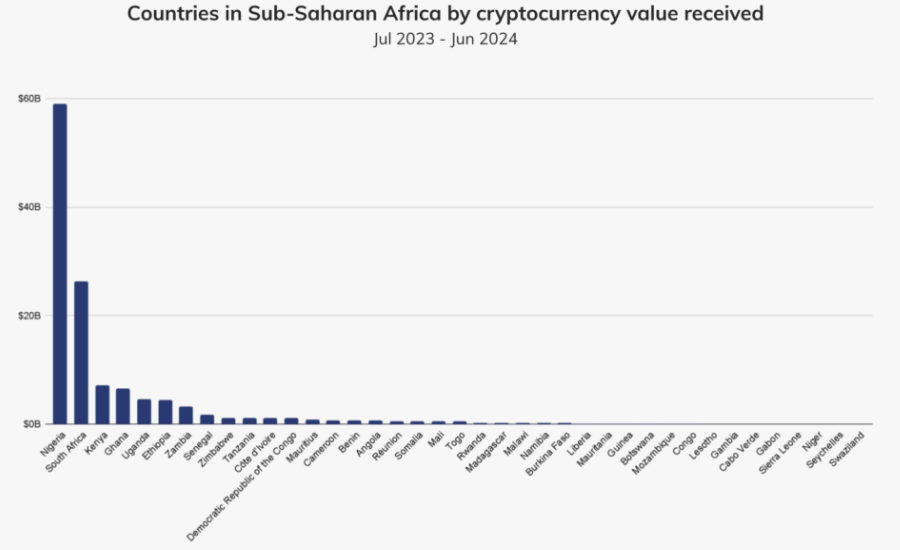
Stablecoins have develop into more and more well-liked for preserving worth and facilitating funds with out incurring pricey forex conversions. Between July 2023 and June 2024, Nigeria obtained about $59 billion in cryptocurrency worth, with Lagos on the coronary heart of this exercise.
Crypto remittances and evolving guidelines
Crypto-based remittances have surged as a result of they’re quicker and cheaper than conventional channels. Regulators are transferring away from broad restrictions and creating clear guidelines for licensed crypto suppliers beneath the SEC and the Investments and Securities Act (ISA) 2025.
These guidelines require digital asset service suppliers (VASPs) to acquire SEC licenses, and since December 2023, banks can now provide providers to licensed crypto companies. Count on extra detailed steering quickly on who can transact and the way remittance flows have to be reported.
Blockchain startups and authorized gray areas
Lagos hosts a vibrant Web3 startup scene creating wallets, cost rails, and NFT initiatives. Firms similar to Busha and Yellow Card provide easy-to-use wallets and P2P platforms that simplify crypto transactions for Nigerians.
Artistic initiatives like AfroDroids present how artists are utilizing blockchain to monetize digital artwork and attain international audiences. These ventures are driving innovation regardless of working in a authorized gray space with restricted banking entry and licensing guidelines.
Accra (Ghana)
Ghana’s central financial institution has taken a balanced, sensible method, warning shoppers about dangers whereas creating regulatory templates for digital property. Its objective is to guard customers with out stifling innovation, utilizing supervised pilots and clear licensing for service suppliers.
Rising adoption amongst SMEs and freelancers
Small companies and freelancers in Accra more and more use crypto for cross-border funds, invoicing worldwide purchasers, and holding dollar-value property. It helps them keep away from overseas alternate delays and minimize prices on worldwide transfers, particularly within the distant work and export sectors.
Native exchanges and compliance efforts
Homegrown exchanges have gotten extra skilled, introducing KYC checks, AML monitoring, and interesting with regulators to safe licences. These efforts are constructing consumer belief and inspiring banks to supply smoother on-ramps for crypto companies.
Early institutional engagement and pilots
Ghana is exploring blockchain innovation by pilot initiatives such because the digital cedi and government-backed blockchain trials. These early initiatives present that public establishments are open to experimenting with tokenised cash and controlled crypto infrastructure.
Nairobi (Kenya)

Kenya’s quick adoption of cell cash like M-Pesa makes crypto a pure match for digital funds and cross-border transfers. Many Kenyans mix cell wallets with crypto apps to maneuver worth cheaply throughout borders or to pay for on-line providers.
Authorized ambiguity for exchanges and buying and selling
Regulators are nonetheless defining the place crypto suits: some actions are tolerated whereas others lack a transparent authorized foundation. That ambiguity slows massive institutional funding, however hasn’t stopped grassroots buying and selling and P2P exercise. In This fall 2024, Kenya’s P2P crypto buying and selling quantity rose to $42 million, reflecting a 15% enhance from the earlier quarter.
Fintech startups experimenting with blockchain
Kenyan startups are utilizing blockchain for commerce finance, remittances, and supply-chain monitoring. These initiatives usually companion with established fintech companies to check real-world use circumstances with out operating afoul of regulators.
Public training and group adoption
Native meetups, hackathons, and college packages drive public understanding. Group teams play an enormous function in instructing protected custody, tax fundamentals, and easy methods to spot scams, serving to customers transact extra confidently.
Cairo (Egypt)
Egypt’s authorities have been cautious, issuing robust warnings about unlicensed crypto buying and selling and emphasizing the necessity for regulatory approval. That makes formal crypto enterprise improvement slower than in different cities.
Underground and casual buying and selling networks
With restricted formal choices, casual P2P cryptocurrency networks have stepped in to satisfy demand. In 2025, Egypt’s crypto exercise grew by 42.8%, pushed by ongoing forex devaluation and strict capital controls. Younger traders and freelancers usually use these channels for greenback entry or worldwide funds, accepting greater threat for comfort.
Authorities curiosity in blockchain for providers
Regardless of strict guidelines on personal crypto use, Egyptian authorities present curiosity in blockchain for presidency providers, notarisation, and supply-chain transparency. This implies a future the place state-led blockchain initiatives could paved the way earlier than client crypto is totally regulated.
A cautious street to recognition
Change is gradual: count on phased pilots, strict licensing for any public choices, and cautious steps towards recognizing tokenized providers beneath clear oversight somewhat than broad legalization.
Cape City (South Africa)
South Africa has one of the vital developed regulatory frameworks on the continent. Crypto is regulated as a monetary product in South Africa. Since 2023, the Monetary Sector Conduct Authority (FSCA) has required crypto service suppliers to acquire licenses and register beneath the Monetary Intelligence Centre Act (FICA) to satisfy anti-money laundering guidelines.
The South African Income Service (SARS) additionally supplies clear tax tips, requiring each people and intermediaries to register and meet their tax obligations.
Authorized buying and selling, licensed exchanges, and taxation
Licensed exchanges function brazenly, and tax guidelines on capital positive aspects and revenue from crypto are established. This readability provides each retail {and professional} traders confidence to commerce and combine crypto with conventional finance.
Institutional exercise and finance integration
Banks, asset managers, and fintechs in Cape City are experimenting with custody, tokenized property, and stable-coin settlement. Institutional pilots and controlled funds are rising the stream {of professional} capital into the market.
Gateway for African crypto funding
Cape City’s regulated market, robust fintech sector and investor curiosity make it a gateway for regional crypto initiatives looking for legitimacy and entry to international capital. Many startups use Cape City as a base to develop throughout southern Africa.
Regional Tendencies and the Highway Forward
Africa’s crypto economic system is rising quick, and the main cities are shaping what comes subsequent. Whereas legal guidelines differ, there are clear regional patterns in how international locations method crypto use and regulation.
Regulatory maturity throughout cities
Among the many 5 cities, Cape City has probably the most superior guidelines, crypto is legally recognised, and exchanges are licensed. Lagos is catching up as Nigeria’s regulators ease restrictions and work towards formal oversight. Accra is constructing a licensing system for exchanges and repair suppliers. Nairobi and Cairo stay cautious, with Kenya nonetheless drafting guidelines and Egypt retaining tight limits on crypto buying and selling.
Shared traits: stablecoins, P2P use, and startups
Stablecoins at the moment are the spine of Africa’s crypto economic system, serving to folks ship cash, save in {dollars}, and commerce throughout borders. P2P buying and selling stays robust, particularly the place banks nonetheless restrict crypto entry. Native startups are additionally rising quick, constructing apps for funds, id, and remittances, usually forward of regulation.
The place coverage could go subsequent
Some international locations are working towards regional cooperation, utilizing teams just like the African Union and ECOWAS to develop shared requirements for crypto licensing and taxation. Others could maintain nationwide guidelines that match native wants. Regulators at the moment are focusing extra on stability, encouraging innovation whereas defending customers.
Africa’s crypto hubs main the best way
Cities like Lagos and Cape City are setting the tempo for the continent. Their progress is influencing neighbouring international locations and will assist form an African digital economic system that’s extra linked, clear, and inclusive.
Conclusion – A Continent Defining Its Crypto Future
Africa’s crypto area is transferring from uncertainty to construction. In most main cities, people can now commerce, maintain, and use crypto for funds or remittances inside clearer authorized boundaries. Governments are steadily introducing licensing for exchanges and repair suppliers, giving customers extra safety and confidence to take part in digital finance.
Wanting forward, regulation and innovation are more likely to evolve collectively. As international locations like South Africa, Nigeria, and Ghana refine their frameworks, investor confidence will rise, and mainstream adoption will speed up. With its younger, tech-driven inhabitants and powerful P2P tradition, Africa has the potential not simply to catch up, however to guide the world in sensible, inclusive crypto use.
Disclaimer: This text is meant solely for informational functions and shouldn’t be thought of buying and selling or funding recommendation. Nothing herein ought to be construed as monetary, authorized, or tax recommendation. Buying and selling or investing in cryptocurrencies carries a substantial threat of economic loss. At all times conduct due diligence.
If you need to learn extra articles like this, go to DeFi Planet and observe us on Twitter, LinkedIn, Fb, Instagram, and CoinMarketCap Group.
Take management of your crypto portfolio with MARKETS PRO, DeFi Planet’s suite of analytics instruments.”